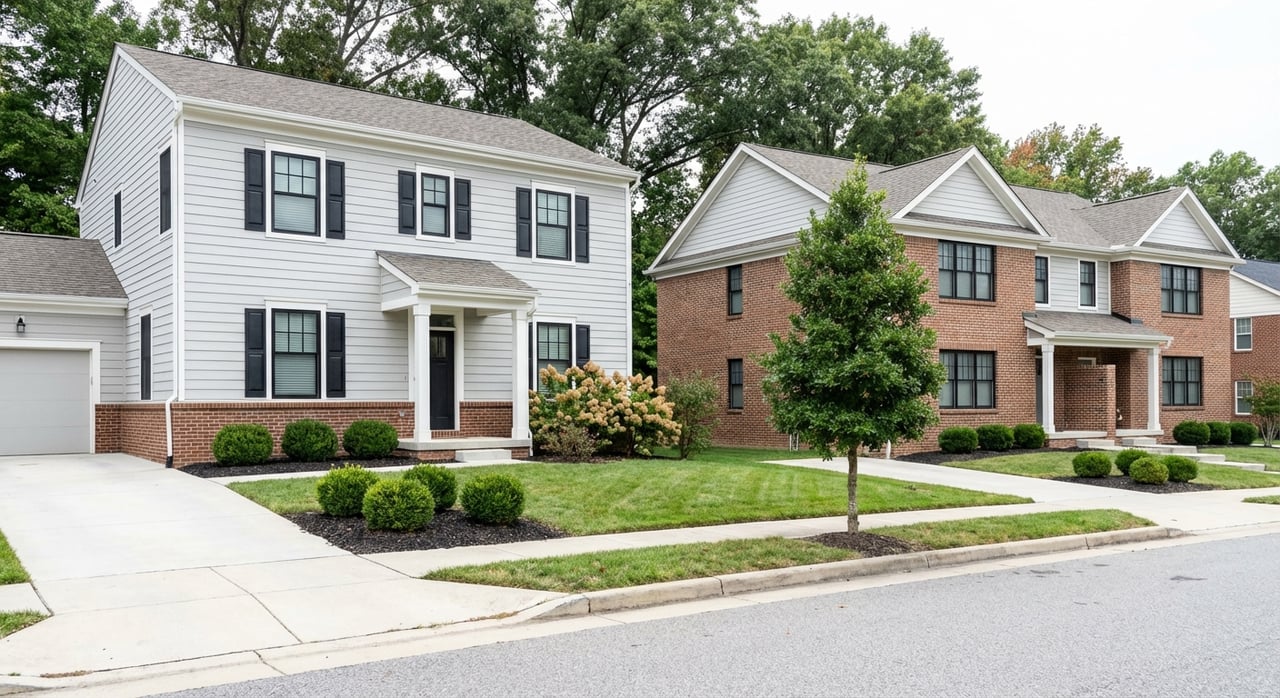
Trying to choose the right home style in Dallastown can feel like a tug‑of‑war between budget, privacy, and how much time you want to spend on upkeep. You want the right fit for your daily life now, and the flexibility to grow into it later. In this guide, you’ll compare the most common options around Dallastown, see typical costs, and learn what to verify before you write an offer. Let’s dive in.
Dallastown at a glance
Dallastown borough is compact and convenient. The borough covers about 0.8 square miles and sits roughly six miles south of the City of York, with municipal services and the Dallastown–Yoe water and sewer authority serving most in‑town addresses. You can confirm service areas on the Dallastown borough overview.
Population runs about 4,100 to 4,400 residents, according to the Census profile of Dallastown borough. Because the borough is small, many buyers who want larger lots look to adjacent townships within the broader Dallastown Area School District.
For market context, recent county snapshots place York County’s median sale price near the $300k range. Taxes matter in your monthly budget too. York County set a 7.55 mill county rate for 2026; your total bill also includes borough or township tax and your school district levy. Always pull the latest bill for the specific property you’re considering.
Three property types you’ll compare
Your decision usually comes down to three common choices in and around Dallastown: single‑family detached, townhouse or rowhome, and small‑acreage. Each trades off maintenance, privacy, and long‑term flexibility in different ways.
Single‑family detached homes
If you want a yard and the most privacy, detached homes deliver. You also take on full exterior care. That includes roof, gutters, siding, driveway, trees, and lawn. Typical roof replacement costs in Pennsylvania often land in the low five‑ to mid five‑figure range depending on size and complexity. Heating and cooling systems are owner expenses too; see the furnace and HVAC replacement ranges to plan a sensible reserve.
Privacy is generally strong thanks to no shared walls. In‑borough lots are smaller than rural parcels, so privacy varies by street.
Flexibility is the best of the three. You can add a deck or room addition, build a shed, or adjust landscaping, subject to local zoning and setbacks. Inside the borough, most houses are on public water and sewer. Outside the borough you’re more likely to find well and septic, which changes inspection needs and maintenance planning. You can check utility context on the Dallastown borough overview.
Townhouses and rowhomes
If you want low exterior maintenance and a more predictable routine, attached homes can be appealing. What you maintain depends on the ownership structure:
- If the community has a condo or HOA, the association may cover exterior items like roofing, siding, common landscaping, and snow removal. That can reduce your to‑do list but adds a monthly fee and rules. National studies have reported median HOA dues on listings near $125 per month, with wide local variation.
- Some townhouses are fee‑simple with limited or no HOA. In those cases, you are likely maintaining the exterior yourself.
Privacy is more limited due to shared walls and smaller or shared yards. Flexibility depends on the rules. Many communities restrict exterior changes, rentals, and additions. To avoid surprises, request the CC&Rs, bylaws, recent meeting minutes, reserve study, budgets, and any special assessments before you commit.
Small‑acreage properties
If you want space for privacy, hobbies, or future outbuildings, small‑acre parcels in nearby townships can be a great fit. Expect more maintenance. Routine mowing adds up on larger areas; local lawn mowing cost estimates commonly run about $60 to $150 per acre per visit depending on scope and frequency.
Utilities and systems often include a private well and on‑lot septic. A septic repair or replacement is one of the more expensive items a rural buyer may face. Review septic system and drain field costs so you can budget conservatively. If a well needs work or a new well is required, well drilling cost ranges typically fall from a few thousand dollars up to five figures on deeper projects.
Privacy is highest, and you gain flexibility to add barns, a workshop, gardens, or possibly subdivide in the future. That said, township zoning controls uses like livestock, accessory buildings, and lot coverage. The borough itself is compact, so many small‑acre options sit in adjacent townships that feed Dallastown Area School District. Confirm district details on the Dallastown Area School District information.
What to check before you choose
Use this quick list to keep your search focused and your budget accurate.
Property taxes. Annual tax equals county plus borough or township plus school district. The recent county millage change to 7.55 mills highlights why you should confirm the current rates for the exact address. Start with the last tax bill and contact the county treasurer and the school district for the most current numbers. See local reporting on the county millage update.
School district assignment. Many buyers prioritize district and bus patterns. Dallastown borough and surrounding areas fall under Dallastown Area School District, but boundaries vary by address. Verify attendance zones directly with the district using the Dallastown Area School District information.
Water and sewer vs. well and septic. In‑borough properties are typically on the Dallastown–Yoe system; outside the borough, well and septic are common. Ask whether the property is on public utilities. If not, request recent well water tests, pump service records, septic pumping receipts, and any permits. The borough also maintains an on‑lot sewage management ordinance for applicable properties.
HOA and covenants. For townhouses or newer subdivisions, request the full HOA or condo document set early. Review the CC&Rs, bylaws, recent board minutes, reserve study, current budget, and fee history. Look for any pending or recent special assessments.
Zoning and permitted uses. If you want animals, a detached garage, short‑term rental options, or the ability to subdivide in the future, ask the township zoning office about permitted uses and any overlay or special‑use rules before you buy.
Inspections by property type.
- Single‑family: full home inspection plus roof age and condition, HVAC age and service history, site drainage, driveway, trees, and any large limbs near the house. Reference roof replacement costs in Pennsylvania to gauge risk.
- Townhouse/condo: unit interior and systems, plus association health. Read recent minutes and engineer reports to spot upcoming exterior projects and confirm what the HOA covers.
- Small‑acre: septic inspection and scope, well test and pump records, percolation or permit history, driveway access and who maintains it, and a recent boundary survey. Use septic system and drain field costs as a planning guide.
Budgeting: quick planning numbers
Prices vary by house and contractor, but these ranges help you set a sensible reserve as you compare home styles.
Roof replacement: Many Pennsylvania shingle roofs fall in the low five‑ to mid five‑figure range depending on size and complexity. Get quotes for the exact house. Source: roof replacement costs in Pennsylvania.
HVAC or furnace replacement: Plan roughly $2,500 to $8,000 depending on system size and scope; combined projects can run higher. Source: furnace and HVAC replacement ranges.
Septic repair or replacement: Leach or drain field repairs may run about $1,000 to $15,000; full tank and field replacements often range from about $4,500 to $20,000 or more on difficult sites. Source: septic system and drain field costs.
Well drilling or major work: Many residential wells land around $3,000 to $10,000 depending on depth and geology. Source: well drilling cost ranges.
Lawn and landscape on 1 acre: Mowing often runs $60 to $150 per acre per visit, with frequency driving the annual total. Source: lawn mowing cost estimates.
HOA dues when present: National listing data has shown median HOA dues around $125 per month, with wide local variation. Always request the current budget and reserve study to see if dues are likely to rise.
Simple decision guide
You want low maintenance and predictable monthly costs. Consider a townhouse in a community that clearly covers exterior items through the HOA. Verify rules, what is covered, and the dues history before you buy.
You want privacy, a yard, and long‑term options to add on. A single‑family home in the borough or a nearby subdivision strikes a good balance. Plan reserves for roof, driveway, and tree work over time.
You want space, separation from neighbors, or room for hobbies. A small‑acre property in a nearby township can fit well. Be ready for well and septic maintenance, higher landscaping costs, and a zoning conversation about your long‑term plans.
How this plays out locally
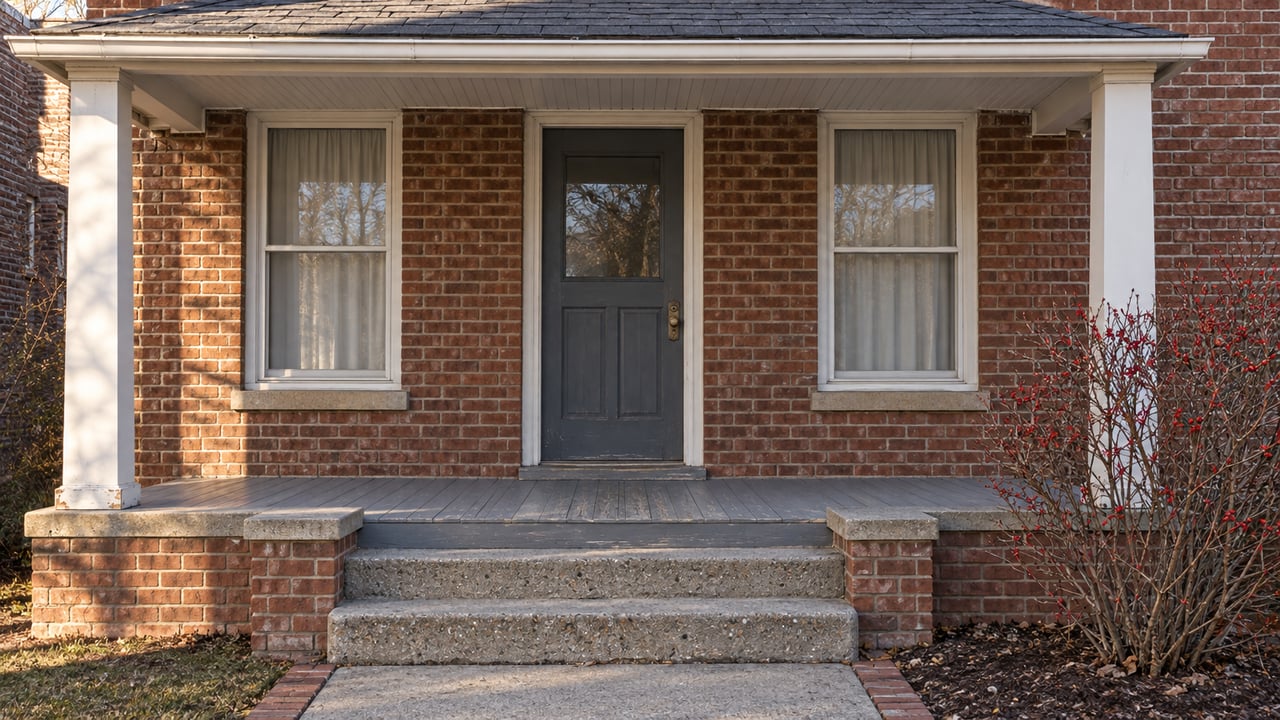
In‑borough single‑family: Think a traditional two‑story or ranch on a compact lot with public water and sewer. You get walkable convenience and a manageable yard. You shoulder exterior upkeep but also get the most flexibility to update or expand over time.
Townhouse in a nearby subdivision: Smaller yard and shared walls keep maintenance light. Monthly fees fund exterior care and common areas. You trade some flexibility for fewer chores.
Two to three acres in an adjacent township within Dallastown Area School District: Big privacy gains and space for outbuildings or gardens. Plan for well and septic inspections, seasonal mowing, and a quick call to zoning about accessory uses.
What to ask your agent and inspector
Single‑family checklist
- What are the ages of the roof, HVAC, water heater, and major appliances? Any recent service records?
- How is site drainage around the foundation? Any signs of driveway heaving or tree root pressure?
- Is the home on public water and sewer or well and septic?
Townhouse or condo checklist
- What exactly does the HOA cover and exclude? Roofing, siding, decks, windows, landscaping, snow removal?
- Can I review CC&Rs, bylaws, meeting minutes, reserve study, and the last two years of budgets?
- Are there any pending special assessments or large planned projects?
Small‑acreage checklist
- Can we order a full septic inspection and water test and review pump and maintenance records?
- What are the zoning rules for animals, a detached garage or barn, and any future subdivision potential?
- Who maintains the driveway or access road and at what cost?
Before you decide, confirm taxes, HOA dues, and utility status for the specific address with the county, the municipality or township, the school district, and the association. Those three line items can make or break your monthly budget and often shape your negotiation strategy.
Ready to compare homes side by side and choose with confidence? Reach out to Nick Bostic - PA Realtor to talk through your goals, tour the right properties, and map a smart plan from offer to close.
FAQs
What is the difference between borough and township utilities in Dallastown?
- Many in‑borough homes connect to the Dallastown–Yoe public water and sewer system, while nearby township homes often rely on private wells and septic; confirm service using the Dallastown borough overview.
How do York County property taxes affect my budget in Dallastown?
- Your annual bill combines county, borough or township, and school district taxes; with the county at 7.55 mills in 2026, verify current rates for the exact address using recent bills and local county millage reporting.
What inspections are essential for small‑acreage near Dallastown?
- Prioritize septic inspection and scoping, a well water test and pump check, percolation or permit history, driveway maintenance terms, and a boundary survey; plan using septic cost guidance.
Are townhouses in Dallastown always part of an HOA?
- No. Some are condo or HOA communities with monthly dues, while others are fee‑simple with no or limited HOA; ask for CC&Rs, bylaws, minutes, reserve study, budgets, and any assessment notices.
How does school assignment work within Dallastown Area School District?
- Attendance zones vary by address across the district; confirm the exact school assignment with the district using the Dallastown Area School District information.
What ongoing costs should I plan for with a detached home in Dallastown?
- Budget for roof, HVAC, driveway and tree care, plus routine exterior maintenance; use roof replacement costs in Pennsylvania and furnace and HVAC replacement ranges to guide reserves.