Trying to choose between downtown York and the suburbs? That decision shapes a lot more than your address. It affects how you get around, where you shop, how often you drive, and what your day-to-day routine feels like. If you are weighing both options, this guide will help you compare the lifestyle trade-offs in York so you can move forward with more confidence. Let’s dive in.
Downtown York at a glance
Downtown York offers a more compact, mixed-use lifestyle. The central business district is roughly a six-by-six block area, about 1.2 miles south of U.S. 30 and 1.8 miles west of the I-83 Market Street interchange. In practical terms, that means many destinations are clustered close together.
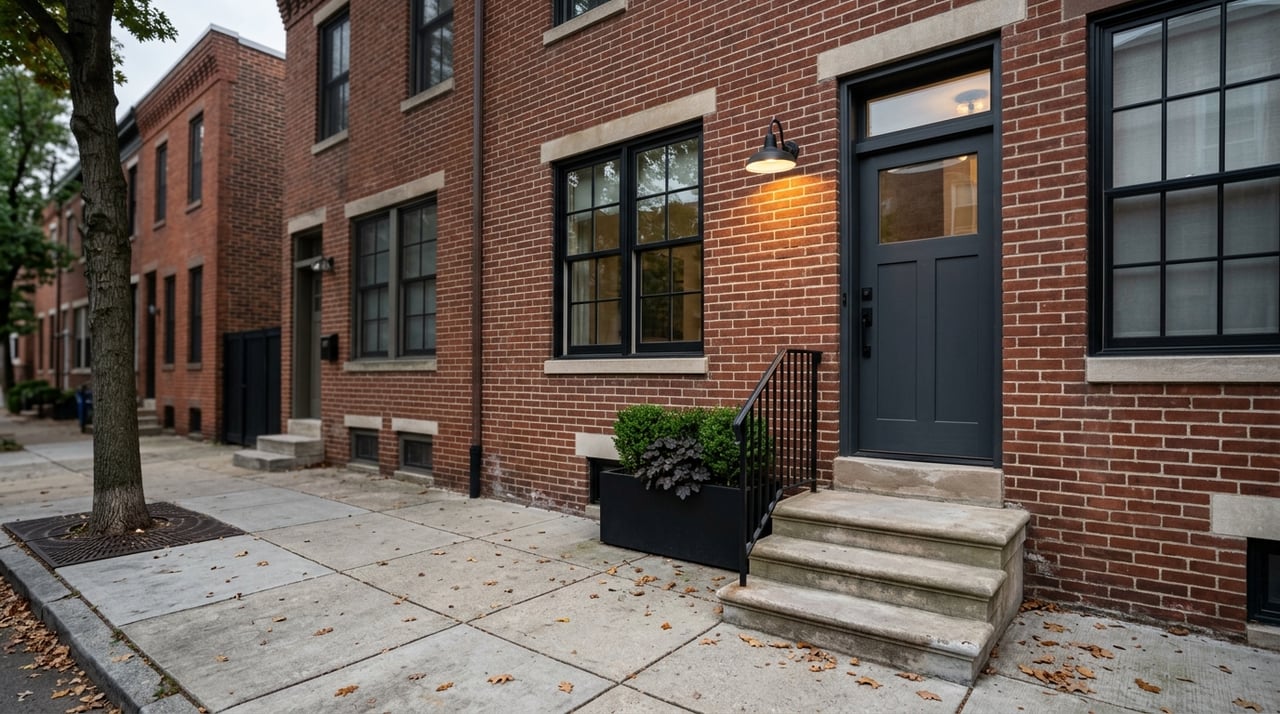
The built environment also feels different from more spread-out parts of York County. Much of downtown includes two- to three-story buildings with ground-floor retail, offices, or apartments above. You will also see adaptive reuse projects and loft-style living that add to the area’s historic character.
What daily life feels like downtown
One of downtown York’s biggest strengths is walkability. Sidewalks are widespread, and many daily needs are within a short walk, including parks, cultural venues, medical offices, a pharmacy, grocery options, the main library branch, and other civic uses.
Downtown also has a stronger event-and-amenity feel than many suburban areas. The area includes destinations like Central Market, the Appell Center, PeoplesBank Park, and the Heritage Rail Trail. Downtown Inc also supports activity with First Friday events, walking tours, downtown orientations, merchant open houses, and beautification projects.
Downtown shopping and convenience
If you like being near smaller-scale daily conveniences, downtown has a solid mix. The area includes C-Town Supermarket, Rite Aid, Central Market House, Penn Market, restaurants, banks, and boutiques. That can make quick errands easier without a longer drive.
That said, larger grocery trips and broader retail choices are still more concentrated outside the city core. If your routine includes frequent big shopping runs, that is worth factoring into your decision.
Downtown transportation and parking
Downtown York gives you more alternatives to driving every single trip. The area has access to the Pershing and King transfer center along with rabbittransit York routes and commuter service. Still, the broader York market remains largely auto-dependent, and countywide transit is not comprehensive.
Parking downtown works differently than in suburban areas. The City of York manages more than 1,000 metered spaces, mostly in Historic Downtown York, with weekday enforcement, Saturday retail-zone enforcement, and a two-hour limit. If you are used to pulling into a private driveway or large parking lot, this can feel like a meaningful lifestyle shift.
Suburban York at a glance
Suburban York offers a more spread-out, car-first pattern of living. The residential study for York notes that decades of growth were driven by outlying suburban single-family communities. Shopping and convenience retail also became concentrated east and west of the central business district.
For many buyers, that translates into a familiar suburban setup. You are more likely to find detached housing patterns, larger shopping nodes, and easier access to regional retail by car.
What daily life feels like in suburban York
If you prefer a routine built around driving, suburban York may feel more intuitive. Errands, commuting, and shopping often involve getting in the car, but the trade-off is access to larger centers and a broader range of big-box retail destinations.
The Route 30 corridor is a major part of that suburban lifestyle. The area includes retail nodes such as West Manchester Town Center, Galleria Mall, and York Towne Center. For buyers who want larger shopping trips to be simple, that can be a strong advantage.
Housing patterns in suburban York
Compared with downtown, the broader county has a much higher owner-occupied housing rate. York City’s owner-occupied housing rate is 43.7%, while York County’s is 76.3%. That does not tell you which option is better, but it does show how different the two housing patterns are.
Commute times also differ a bit. The average commute time is 23.1 minutes in York City and 26.3 minutes countywide. That small gap highlights the trade-off many buyers already expect: more space and spread-out development can mean slightly longer drives.
Parks and outdoor access
If outdoor access matters to you, both downtown and suburban York offer options, but the scale is different. York City has 25 public parks totaling 193 acres. Downtown residents also benefit from access to the Heritage Rail Trail and Codorus Creek recreation.
Suburban and outlying areas have the advantage when you want larger park systems and longer trail networks. York County includes Rocky Ridge Park with 750 acres and more than 12 miles of trails, Spring Valley Park with 868 acres and more than 12 miles of trails, William Kain Park with 1,637 acres and two lakes, Richard Nixon Park with 221 acres and more than six miles of trails, and the 27-mile Heritage Rail Trail County Park.
How to think about the parks trade-off
If you want quick access to smaller city parks and a trail connection near downtown amenities, the city core may work well. If you picture larger weekend outings with more acreage, more trail mileage, and lake access, the suburban and county park system has more scale.
Neither choice is automatically better. It depends on whether you want convenience woven into your daily routine or bigger outdoor destinations built into your weekends.
Historic character versus suburban ease
Downtown York stands out for historic architecture and adaptive reuse. If you are drawn to older buildings, loft-style spaces, and a more traditional street grid, downtown may check boxes that newer suburban settings do not.
At the same time, historic districts can come with added planning considerations. In York’s HARB district, exterior changes visible from a public street or alley can require review, including signage, fencing, demolition, and new construction. If you value historic character, it helps to be ready for that process.
Suburban York usually offers a simpler ownership experience in this area. Buyers looking for detached housing patterns and fewer historic-design review considerations may find the suburbs more straightforward.
Which lifestyle tends to fit you?
A downtown York lifestyle often fits buyers who want a smaller-footprint routine with more walking, access to events, nearby dining, and a strong sense of place. It can also appeal to buyers who enjoy historic character and like the idea of being close to civic and cultural destinations.
A suburban York lifestyle often fits buyers who want a more car-oriented routine, easier access to larger shopping centers, more detached housing patterns, and larger park destinations. For many buyers, that setup feels practical, familiar, and easier to match with long-term space needs.
Questions to ask yourself
Before you decide, ask yourself a few practical questions:
- Do you want to walk to more of your daily needs?
- Are you comfortable with metered parking and a denser setting?
- How often do you make large grocery or retail runs?
- Would you rather live near events and cultural venues, or near bigger shopping centers and larger parks?
- Do you like the character of historic buildings, or do you want a more typical suburban setup?
- How much of your weekly routine depends on driving?
Your answers will usually point you in the right direction faster than square footage alone.
How to narrow your choice in York
The best way to compare downtown York and suburban York is to match the location to your real routine, not your idealized one. Think about where you work, how you shop, how often you want to drive, and what kind of home style feels most comfortable to you.
If you are buying, this kind of comparison can save time and help you focus on the right neighborhoods and housing types early. If you are selling, understanding these lifestyle differences can also help position your property more clearly for the right buyer pool.
When you are ready to sort through York’s options with a local, data-driven approach, Nick Bostic - PA Realtor can help you compare neighborhoods, evaluate home fit, and move forward with a strategy that matches your goals.
FAQs
Can you live in downtown York without using a car every day?
- Many daily needs in downtown York are within walking distance or accessible through transit, but the broader York area still leans auto-dependent and countywide transit is not comprehensive.
Is downtown York mostly apartments and historic buildings?
- Downtown includes a mix of housing types, including single-family homes, duplexes, attached homes, apartments above retail, small multifamily properties, and adaptive-reuse loft-style apartments.
Where do suburban York residents go for larger shopping trips?
- Major suburban retail destinations identified in the York market include West Manchester Town Center, Galleria Mall, and York Towne Center along the Route 30 corridor.
Which York lifestyle offers better access to parks and trails?
- Downtown York offers city parks, the Heritage Rail Trail, and Codorus Creek recreation, while suburban and outlying York County areas offer larger parks, lakes, and longer trail systems.
Do historic homes in York come with extra review requirements?
- In York’s HARB district, certain exterior changes visible from a public street or alley can require review, including fencing, signage, demolition, and new construction.