Thinking about living in Pennsylvania while keeping your Maryland job? If you want quieter streets, more space, and a price point that often stretches your budget further, Delta in southern York County is worth a look. You still want a manageable commute and a clear picture of housing, taxes, and timelines. This guide gives you a practical overview of commute routes, what homes are like, cost factors, and a step‑by‑step plan to make your move smooth. Let’s dive in.
Why Delta appeals to Maryland commuters
Delta is a small borough right on the Pennsylvania–Maryland line. You get a small‑town, semi‑rural setting with local shops and surrounding farmland. Many movers come for relative affordability compared with several Maryland suburbs, while staying close to Maryland employers and services. The tradeoffs include fewer public‑transit options and a smaller local retail base.
Commute overview: driving first
Driving is the dominant commute mode for cross‑border workers. I‑83 is the primary north–south interstate between Baltimore and York, with state routes and local roads linking border towns like Delta to regional highways. Commute times vary by origin, route, and time of day. Trips from northern Maryland suburbs can be shorter, while travel into Baltimore or reverse commutes can run longer, especially at peak hours.
Typical commute patterns
Expect variability. Northern Baltimore, Harford, and Carroll County origins often see lighter trips, while deeper Baltimore commutes can take longer. Use live mapping to compare peak and off‑peak windows and to test alternate routes. In winter, secondary roads can slow down with snow or ice, while major interstates are typically prioritized for plowing.
Transit options at a glance
Public transit in York County is limited compared with central Maryland. Delta does not have frequent fixed‑route regional rail. For higher‑frequency rail, the nearest major stations are in northern Maryland or larger nearby cities. Most daily commuters will find a park‑and‑ride plus regional rail setup impractical for day‑to‑day use, so plan around driving.
Housing in Delta: what you will find
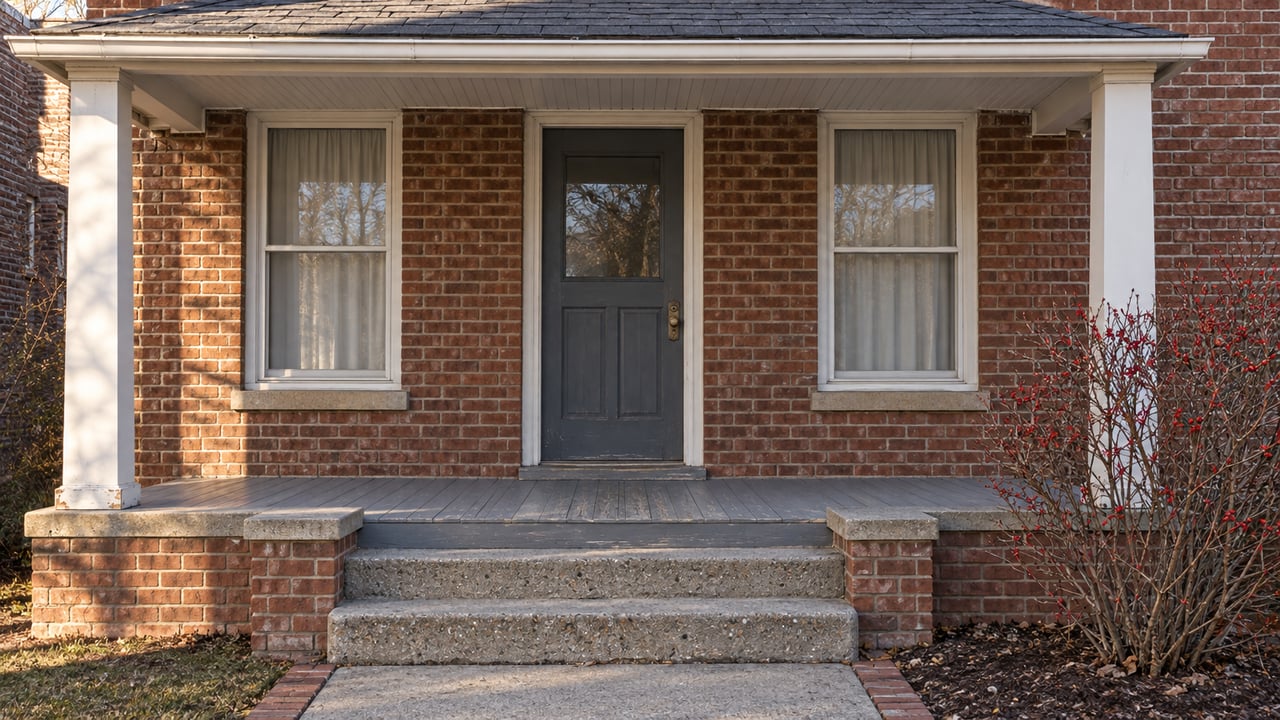
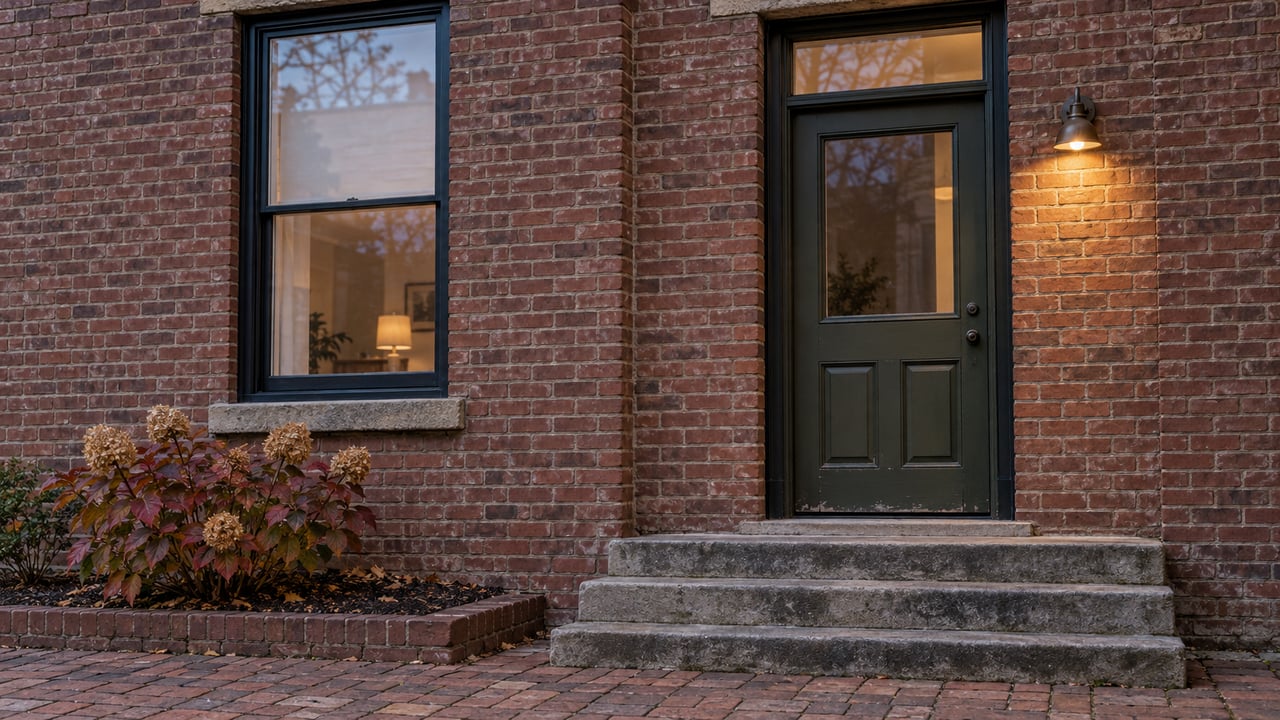
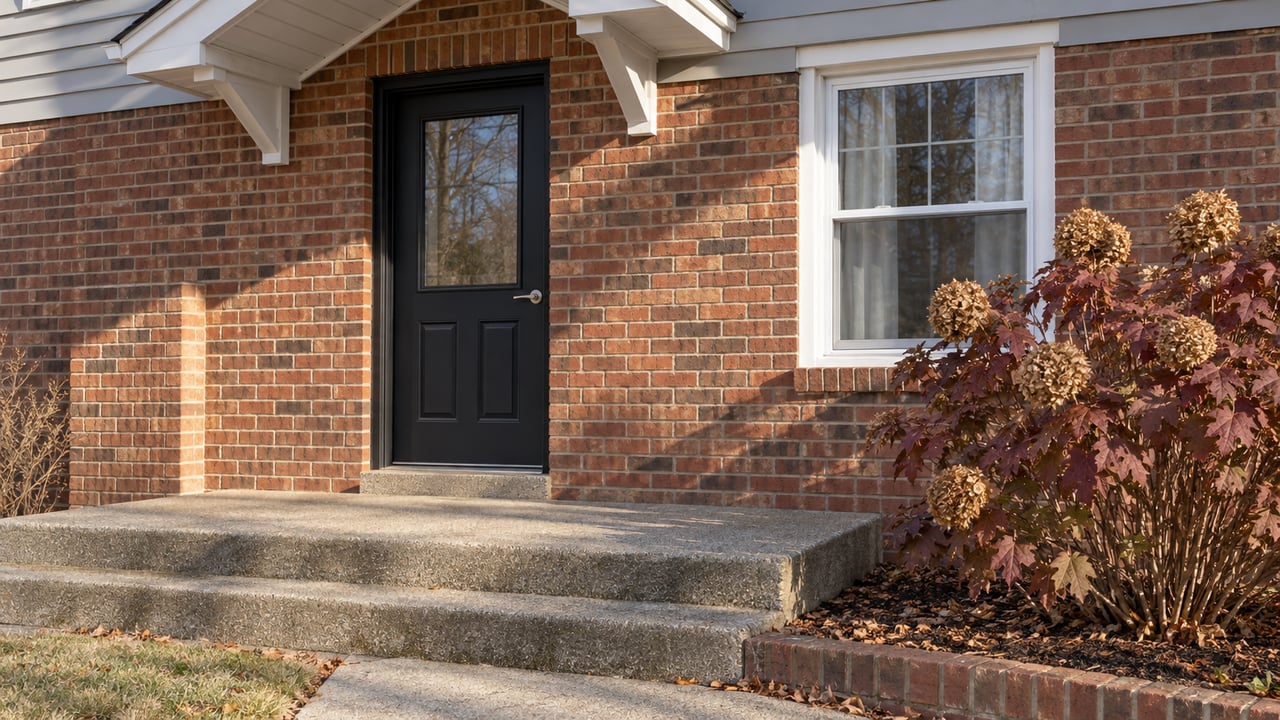
Expect a mostly single‑family market. You will see older small‑town homes and historic houses on compact lots near the borough center. Outside the borough, you will find detached homes on larger lots and semi‑rural properties on acreage. Townhouses and condos exist but are limited, so set expectations around single‑family inventory.
Inspection and property systems
Private well and septic systems are common outside the borough. Build in time for certified well and septic inspections when applicable. For older properties, pay close attention to roof, structure, and the age of mechanical systems. If a home is near farmland or waterways, environmental checks may be wise.
Pricing and affordability
Delta is part of the broader southern York County market, which can shift seasonally and year to year. Many Maryland buyers find purchase prices per square foot more favorable than in several Maryland suburban markets. Exact comparisons depend on the neighborhood, home size, condition, and current market timing. Work with a local agent who can pull live MLS data and guide you on fair value.
Taxes, utilities, and total cost
In Pennsylvania, property taxes are set by county, municipal, and school district millage rates and can vary widely by parcel. Pennsylvania levies a flat personal income tax of 3.07% as of 2024. Maryland uses a progressive system and also permits local county income taxes, which can affect take‑home pay when you live in PA and work in MD. Run a full cost‑of‑ownership comparison that includes mortgage, property taxes, insurance, utilities, and maintenance.
Financing and closing for cross‑state buyers
Most lenders handle cross‑state purchases routinely. Confirm property insurance availability early, and review title and local recording fees. Typical Pennsylvania closings take about 30 to 60 days from an accepted offer, depending on lender and title timelines. Build in time for inspections, appraisal, and any well and septic or environmental evaluations.
Your relocation timeline
- 3 to 6 months: Explore neighborhoods, tour homes, and secure a loan pre‑approval.
- 1 to 2 months after offer acceptance: Complete inspections, appraisal, and due diligence.
- 30 to 60 days: Typical closing window. Plan your move, utility transfers, and final walkthrough.
Maryland to Pennsylvania move checklist
- Verify the school district and assignment for any specific address by contacting the district office.
- Obtain your Pennsylvania driver’s license and vehicle registration within the state’s required timelines.
- Update voter registration, healthcare providers, prescriptions, and insurance policies to reflect PA residency.
- Notify Maryland agencies as required for final filings and vehicle changes.
- Transfer utilities and confirm if a home uses private well and septic. If so, learn the maintenance schedule and responsibilities.
- Set up local services like trash and recycling, and confirm any permits needed for renovations.
- If you work in Maryland, confirm payroll withholding and multistate tax treatment with your employer.
Daily life in Delta and nearby
Delta offers small‑town living with a simple local commercial core. For larger retail, hospitals, and more dining or cultural options, plan on nearby York or northern Maryland. Outdoor access is a draw, with farmland, open spaces, and county parks close by. Families should confirm school assignment for a given address and expect some childcare providers to be in nearby towns.
Pros and cons summary
Pros
- Relative affordability in some segments compared to several Maryland suburbs.
- Quieter, small‑town and semi‑rural lifestyle with more space options.
- Close proximity to parts of Maryland for work and services.
Cons
- Fewer public‑transit options and a smaller local retail base.
- Possible reliance on private well and septic systems and rural maintenance.
- Differences in state and local taxes that affect your overall budget.
How I can help
A cross‑border move requires clear guidance on commute patterns, value, and due diligence. I provide buyer representation focused on your goals, with data‑driven pricing advice and negotiation expertise. You get proactive coordination on inspections, timelines, and local vendors, including well and septic specialists when needed. When you are ready, reach out to discuss neighborhoods, current inventory, and a move plan that fits your schedule and budget.
Ready to explore homes in Delta and southern York County? Let’s build a plan that covers commute, costs, and the right property fit. Schedule your consult with Nick Bostic - PA Realtor.
FAQs
How long is the commute to Baltimore from Delta, PA?
- Drive times vary by origin, route, and time of day; use live mapping to compare peak and off‑peak windows and expect longer times for deeper Baltimore commutes.
Are Delta homes cheaper than Maryland suburbs?
- Many buyers find southern York County pricing more affordable than several Maryland suburban markets, but exact differences depend on neighborhood, home size, condition, and timing.
What should I know about wells and septic in Delta?
- Many rural properties use private systems, so include certified well and septic inspections in your due diligence and budget for ongoing maintenance.
Which school district serves a Delta address?
- School assignments vary by exact address; contact the local district to confirm boundaries and enrollment steps before you make an offer.
What tax changes should I expect moving from MD to PA?
- Pennsylvania has a flat personal income tax of 3.07% as of 2024, while Maryland uses a progressive system with county taxes; compare your take‑home pay and consult a tax advisor.
Can I commute from Delta using public transit?
- Public transit options are limited; most daily commuters rely on driving, and park‑and‑ride plus regional rail is often impractical for day‑to‑day use.
How long does it take to close on a home in Delta?
- Typical Pennsylvania closings take about 30 to 60 days from an accepted offer, depending on lender, title, and inspection timelines.