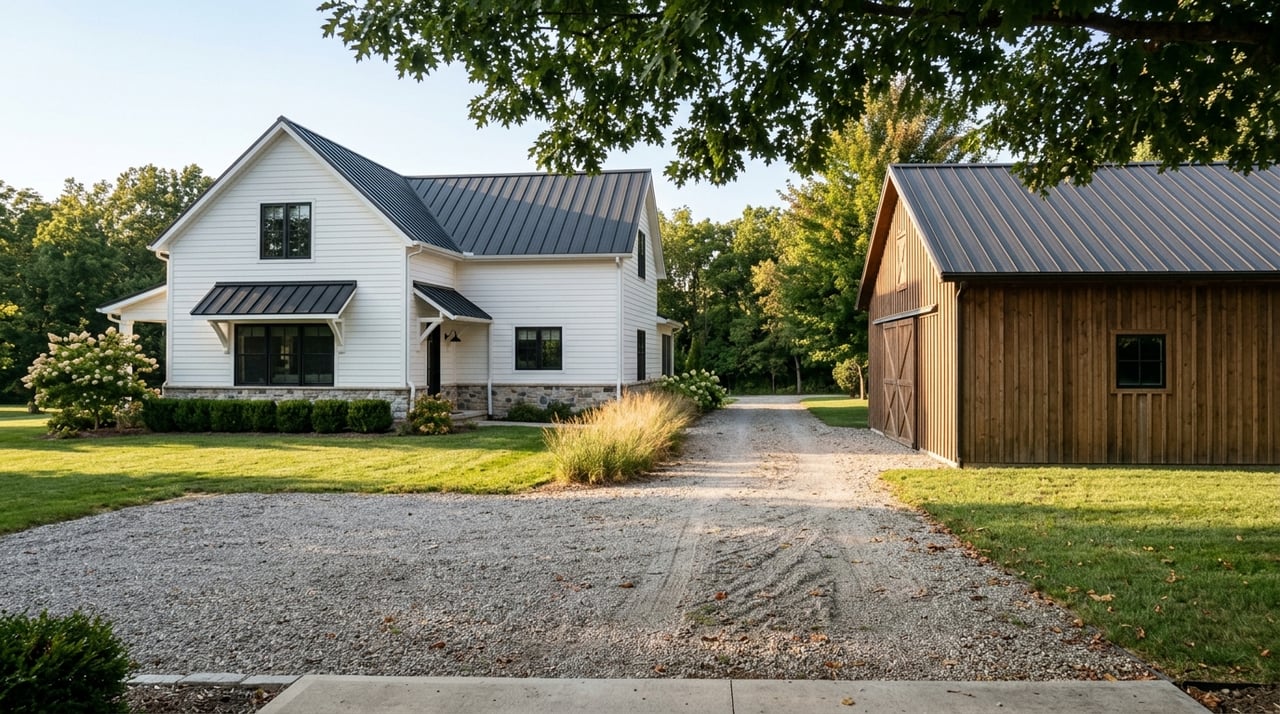
Dreaming about more space, more privacy, and a slower pace near Delta, PA? Rural living can offer all of that, but it also comes with a different set of questions than buying in a more built-up area. If you are considering a home near Delta, understanding utilities, land use, inspections, and everyday logistics can help you make a smarter move with fewer surprises. Let’s dive in.
Why Delta Appeals to Rural Buyers
Delta Borough describes itself as a small Victorian village with roots dating back to 1880, and the borough highlights its historic Main Street and long-standing small-town atmosphere. That setting is part of what makes the area attractive if you want a quieter home base in southern York County. You are not buying into a dense suburban corridor here.
Instead, Delta works best as a small-town anchor within a broader rural network. Nearby communities like Stewartstown, Fawn Grove, Airville, Brogue, and New Park all play a role in day-to-day life, as reflected by the service areas of South Eastern School District and Mason-Dixon Community Services. That means your errands, services, and routines may naturally stretch across several nearby towns.
For many buyers, that is part of the appeal. You can enjoy a more rural setting while still staying connected to the larger York County area.
Expect Different Utility Setups
One of the biggest differences in a rural home purchase is how the property is served. Around Delta, many homes may rely on a private well and on-lot sewage system instead of public water and sewer. That matters because private systems come with homeowner responsibility.
According to Pennsylvania’s private well water factsheet, private well owners are responsible for regular testing and maintenance. The same source also notes that Pennsylvania does not have statewide regulations for private well construction, maintenance, or water-quality testing.
Before you make an offer, verify whether the property has public utilities or private systems through property records and seller disclosures. Never assume that two nearby homes have the same setup. In rural areas, utility service can vary from parcel to parcel.
Well Testing Should Be a Priority
If a property uses a private well, water testing should be one of your core due-diligence steps. It is not just a nice extra to consider later. It is an important part of understanding what you are buying.
Pennsylvania recommends annual testing for coliform bacteria and says buyers may also want to test for nitrates, pH, total dissolved solids, and other suspected contaminants, as explained in the state’s well water guidance. The state also notes that testing is especially appropriate before moving in, after flooding, or after septic failure.
For a rural purchase near Delta, this is one of the clearest ways to reduce risk. If the home depends on a private well, you want a clear picture of water quality before closing, not after you move in.
Septic Systems Need Care and Records
Septic systems are another major part of rural homeownership. A functioning system can serve a property well for years, but only if it is properly maintained and inspected.
The EPA says septic tanks should generally be inspected every 1 to 3 years and pumped every 3 to 5 years, according to its septic maintenance guidance. The agency also notes that routine maintenance, often in the range of $250 to $500 every three to five years, is far less expensive than replacing a failed conventional system, which can cost $5,000 to $15,000.
That cost difference is why septic due diligence matters so much during a purchase. Ask for the septic as-built drawing, permit history, and any pump or service records available. The EPA explains in its homebuyer septic guide and septic FAQ that these documents are typically handled through the local permitting authority.
Wells and Septic Work Together
On many rural properties, the well and septic system are located on the same lot. That makes system placement important, not just system condition.
The EPA notes in its guidance on septic systems and drinking water that wells and septic systems need adequate setback distance. If a septic system is too close to a well, or if it is poorly maintained, wastewater can contaminate drinking water.
This is one reason rural inspections should be looked at as a package, not as separate boxes to check. You want to understand how the property functions as a whole, especially when water supply and wastewater treatment are both private.
Zoning and Permits Matter More Than Buyers Expect
A larger lot can open the door to more possibilities, but it does not mean you can do anything you want with the land. Rural properties may be subject to township-level zoning rules, permit requirements, and district-specific land-use limitations.
For example, Peach Bottom Township zoning information shows that new dwelling construction, certain accessory buildings, larger additions, decks over 30 inches high, and pools may require permit review. The township also references driveway permits, and Pennsylvania’s Uniform Construction Code requires a permit before beginning construction work.
Nearby township notices also reference an Agricultural Zoning District. For buyers, that is a reminder to verify what is permitted before assuming a parcel can support a barn, workshop, detached garage, pool, or other improvement. If you are buying because of the land, this step is especially important.
Questions to Ask Before You Buy
When you tour a rural property near Delta, it helps to go in with a practical checklist. A little extra research up front can save you time, money, and frustration later.
Here are some smart questions to ask:
- Does the home use public water and sewer, or a private well and septic system?
- When was the well last tested, and what were the results?
- When was the septic system last inspected or pumped?
- Are septic permits, as-built drawings, or service records available?
- Are there zoning rules that affect outbuildings, additions, pools, or driveways?
- Is the parcel located in a district with additional land-use limitations?
These questions are not meant to scare you away from rural living. They are meant to help you buy with confidence.
Everyday Life Spans Nearby Towns
Living near Delta often means your daily routine is shaped by more than one municipality. The area functions as a connected rural cluster, not a single self-contained town center.
That pattern shows up in local institutions. South Eastern School District links Delta with nearby communities including Stewartstown and Fawn Grove, and local community services also operate across several area towns. For buyers, that means it is wise to think beyond the home itself and picture where you will go for everyday needs.
This broader geographic rhythm is normal in rural York County. Once you understand it, you can better judge whether a specific location fits the pace and convenience you want.
Outdoor Access Is Part of the Lifestyle
For many buyers, rural living near Delta is not just about the house. It is also about what you can do nearby once the workday ends.
York County offers strong outdoor access, including the nearly 30-mile Heritage Rail Trail and sections of the Mason-Dixon Trail. York County also highlights Susquehanna Riverlands State Park, which includes 1,044 acres, about one mile of riverfront, and 2.75 miles of the Mason-Dixon Trail.
There is also cross-border recreation in Maryland. Susquehanna State Park in Havre de Grace offers mountain biking, fishing, boating, camping, and cabins. If you want privacy and space without giving up access to regional recreation, that is a meaningful plus.
Rural Buying Near Delta Takes Planning
Buying a rural property near Delta can be a great move if you value space, privacy, and a small-town setting. The key is understanding that these homes often come with private systems, township oversight, and a wider day-to-day service area than buyers may expect.
If you approach the process with clear questions about wells, septic, permits, and land use, you can make a more informed decision from the start. And if you want local guidance as you compare properties near Delta and across southern York County, Nick Bostic - PA Realtor can help you evaluate your options and move forward with confidence.
FAQs
What should buyers know about utilities in rural Delta-area homes?
- Many homes near Delta may use private wells and on-lot septic systems instead of public water and sewer, so you should verify the setup through records and disclosures before buying.
Why is well testing important for rural homes near Delta, PA?
- Pennsylvania says private well owners are responsible for testing and maintenance, and buyers may want testing for coliform bacteria, nitrates, pH, total dissolved solids, and other suspected contaminants before moving in.
How often should a septic system be inspected on a rural Pennsylvania property?
- The EPA says septic tanks should generally be inspected every 1 to 3 years and pumped every 3 to 5 years.
What records should buyers request for a home with a septic system near Delta?
- Ask for the septic as-built drawing, permit history, and any available pumping or service records, which are often available through the local permitting authority.
Can you add a barn, shed, garage, or pool on rural property near Delta, PA?
- Maybe, but you should confirm zoning and permit requirements with the township first, since items like accessory buildings, decks, pools, and driveways may require review.
What is the lifestyle like when living near Delta in rural York County?
- Delta works as a small-town base within a broader rural network, so everyday life often includes nearby towns for services, plus access to regional trails, riverfront parks, and outdoor recreation.