Thinking about selling your Dover home but not sure whether to list now or wait for spring? The season you choose can affect how fast you sell, how many showings you get, and what you net at closing. You want clarity, not guesswork. In this guide, you’ll learn which Dover market metrics matter, how to read local seasonality, simple decision rules for a 60–120 day plan, and practical timelines for winter versus spring. Let’s dive in.
What Dover data to check now
Start with a focused snapshot of Dover’s market. Ask your agent to pull these items for the last 30, 60, and 90 days, plus the same period last year.
- List-to-sale ratio (sale price divided by original list price)
- Median days on market (DOM)
- Active inventory and new listings trend
- Pending rate or absorption (new pendings divided by active listings)
- Price reductions as a share of listings
- Share of sales over asking and average number of offers (if tracked)
- Median sale price trend over 12 months and year to date
- Typical contract-to-close timeframe for local lenders and title
These numbers are usually available from your MLS provider for York County, local association reports, and county recorder data. Use national trend reports only for context. Your decision should be driven by Dover’s most recent figures.
How seasonality usually plays out
- Spring, roughly late March through June, often brings more buyers, more new listings, faster DOM, and a higher chance of multiple offers. Competition among sellers also rises.
- Winter, roughly late November through February, typically has fewer new listings and fewer showings. Buyers who are active tend to be serious. DOM often runs longer and list-to-sale ratios can be slightly lower than spring.
- Local shifts matter. A cold snap, major employer news, or mortgage rate changes can override the usual seasonal pattern.
Decide: sell now or wait for spring
If your plan is 60 to 120 days out, map backward from your ideal closing date. If you must be under contract by a certain time, choose a list date that gives you room for negotiations and closing.
Quick decision rules
Use the most current Dover numbers and compare them to these benchmarks.
- Rule A: If months of inventory is under 4, median DOM is under 45, and the list-to-sale ratio is 98% or higher, conditions favor listing now.
- Rule B: If months of inventory is 4 to 6, DOM is 45 to 75, and the list-to-sale ratio is 95% to 98%, the market is balanced. List now if timing matters, or wait for spring if you expect demand to strengthen and you can carry the cost.
- Rule C: If months of inventory is over 6, DOM is over 75, and the list-to-sale ratio is under 95%, consider waiting or investing in price-ready improvements unless you must list now.
Weigh the cost of waiting
Estimate your monthly carry: mortgage, taxes, insurance, utilities, HOA, and maintenance. Multiply by the months you plan to wait for spring. Then estimate any likely spring price lift based on Dover comps and seasonality. If carrying costs exceed the likely price gain, selling now can be the wiser choice.
Winter listing plan: stand out with readiness
Winter can work in your favor if you show well and price strategically. You face less competition, and active buyers are motivated.
Winter prep checklist
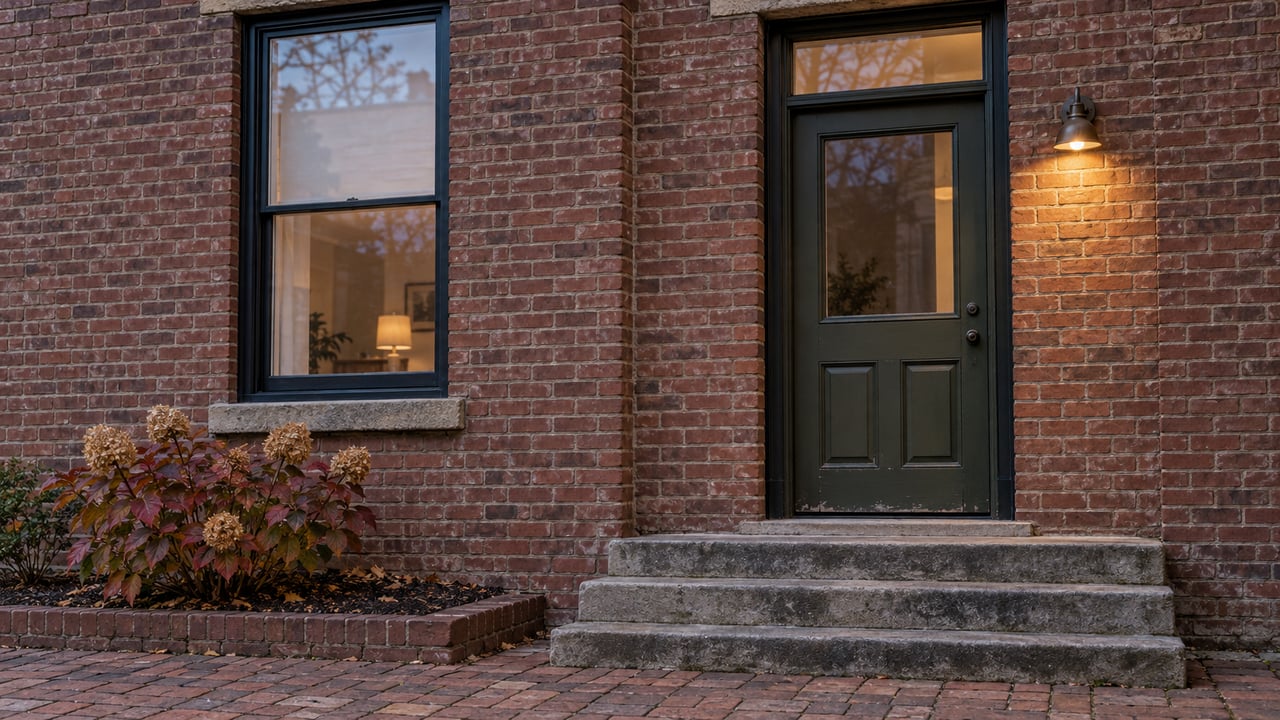
- Clear walkways and driveways, and keep salt on hand for ice.
- Service HVAC, seal drafts, and set a comfortable thermostat for showings.
- Deep clean and declutter. Add warm lighting and simple, neutral decor.
- Focus on interior-first photography and a polished virtual tour.
- Schedule photos during daylight and use supplemental lighting as needed.
- Confirm pipes and heating are in good order. Note efficient heating features in remarks.
Winter showing and marketing
- Offer flexible showing windows, including evenings and weekends.
- Promote virtual tours and 3D walkthroughs to reach relocation buyers.
- Host limited, well-timed open houses on milder weekends.
- Emphasize move-in readiness and flexible possession options.
Spring listing plan: capture peak traffic
Spring usually brings higher buyer activity and better curb appeal. You may see faster DOM, but you will also face more competing listings.
Spring prep checklist
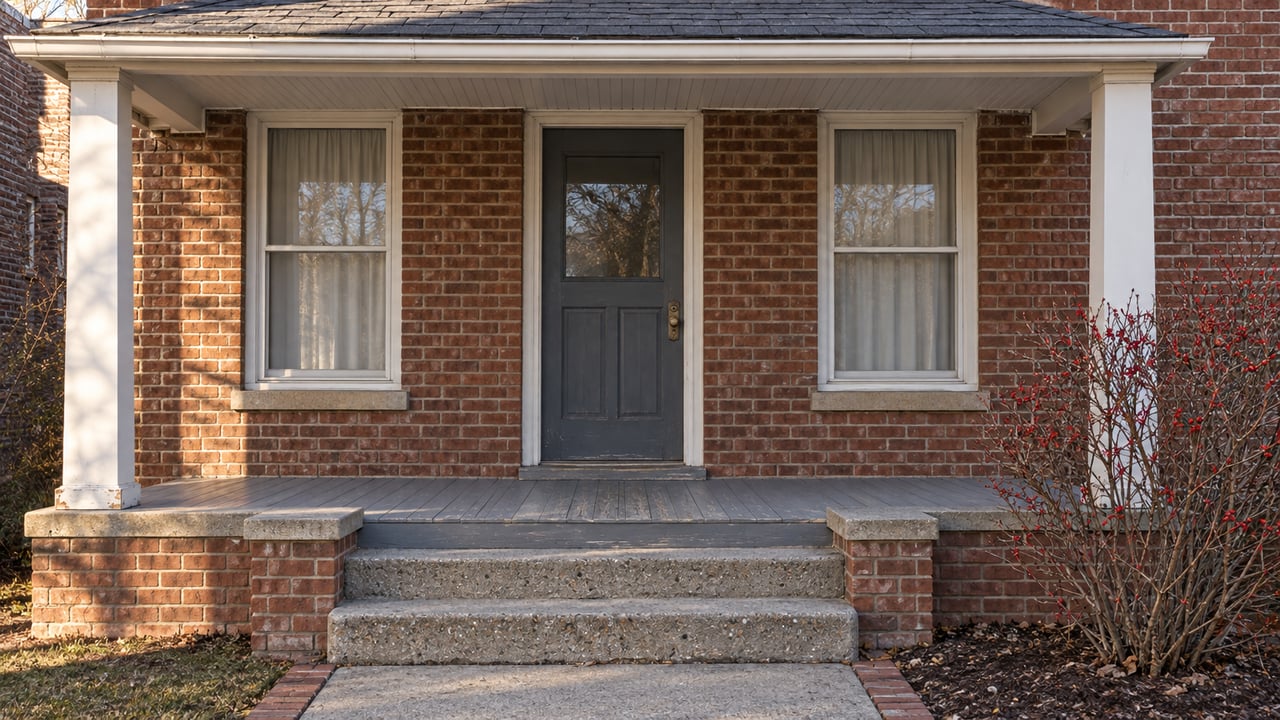
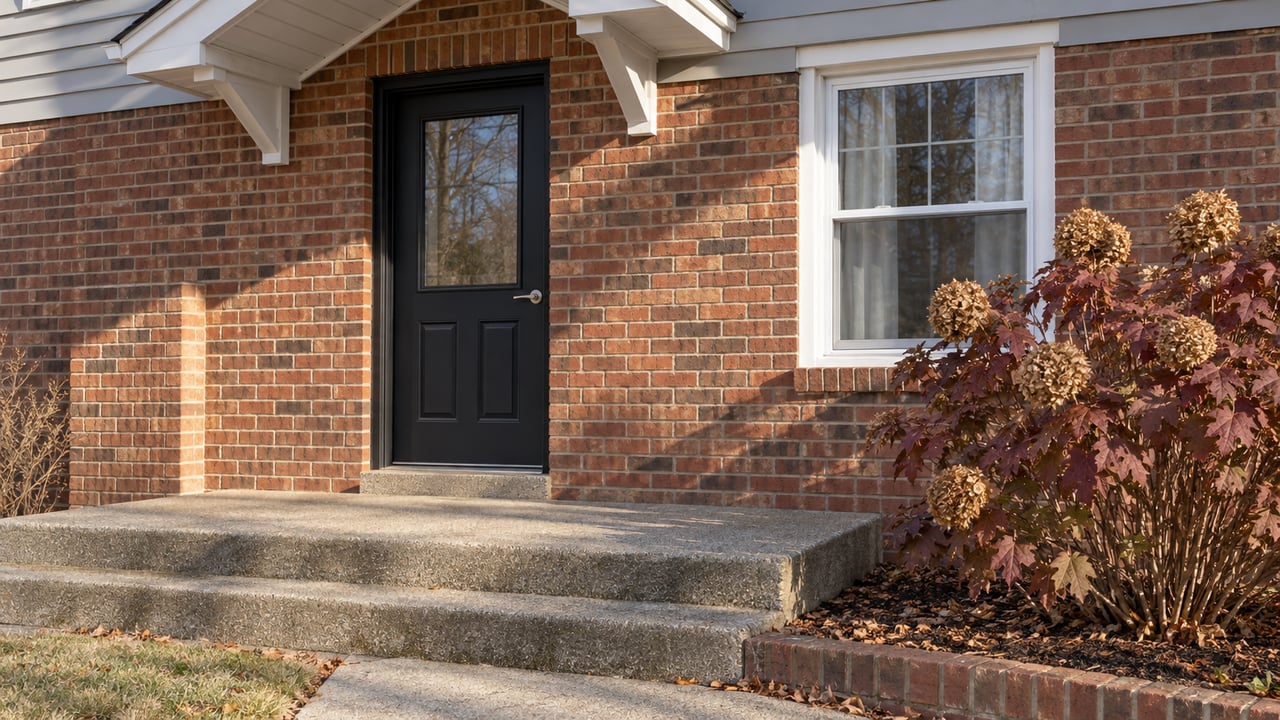
- Power wash siding, clean gutters, and complete exterior touch-ups.
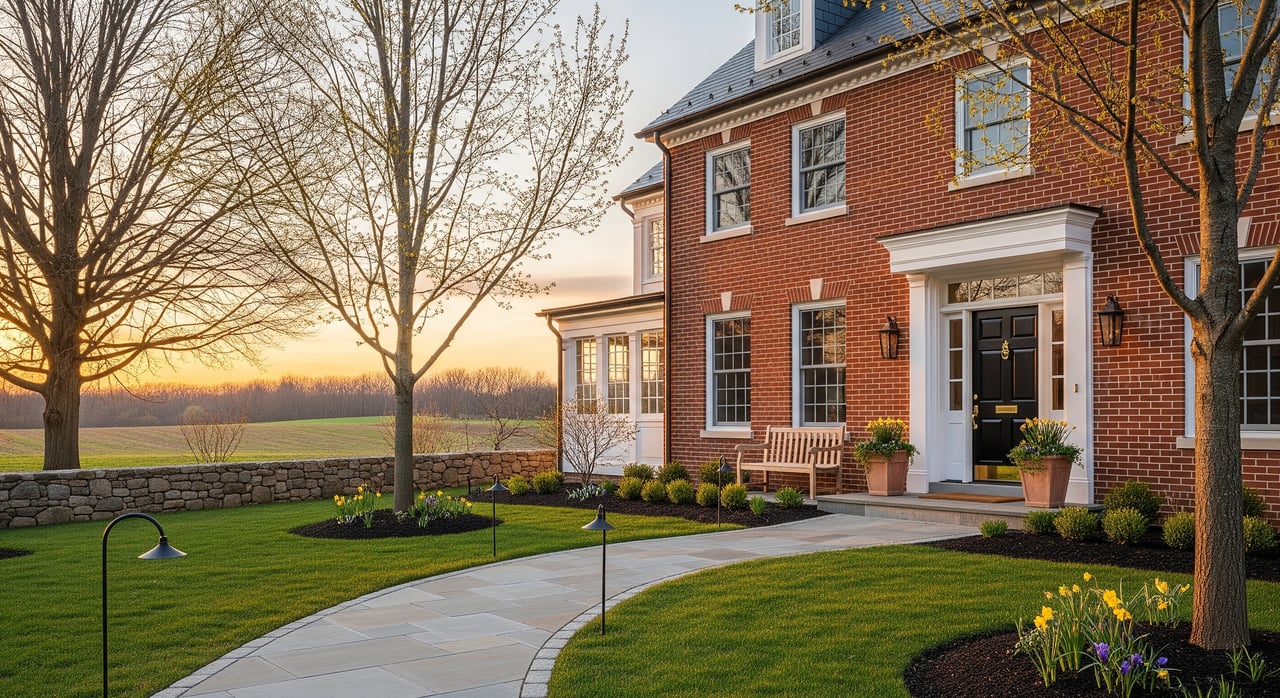
- Edge beds, prune shrubs, refresh mulch, and add seasonal flowers or planters.
- Stage outdoor spaces like decks or patios to show lifestyle.
- Time exterior photos for peak landscaping and soft natural light.
- Plan early open houses to capture opening-weekend momentum.
Spring showing and marketing
- Expect more showings. Keep the home show-ready and secure valuables.
- Add floor plans and highlight outdoor features and neighborhood amenities.
- Price competitively to attract multiple interested buyers early.
Pricing and negotiation by season
- Winter pricing: Lean slightly more competitive to drive traffic. Price at or just below the most relevant recent sales to spark showings.
- Spring pricing: Start closer to top-of-market comps if activity is strong. Use early feedback to adjust. A focused launch window of 7 to 14 days can create urgency.
- Negotiation: Winter buyers may expect concessions, so decide in advance whether you prefer a small price reduction or a transparent seller credit. In spring, set your priorities early on price, timeline, and contingencies to manage multiple-offer scenarios.
Your 60–120 day timeline
Use this schedule to work backward from your ideal list date.
- Weeks 0 to 2: Choose your agent, sign the listing agreement, schedule a walkthrough and pricing analysis, and consider a pre-listing inspection.
- Weeks 2 to 4: Complete high-impact repairs, deep clean, declutter, and handle paint touch-ups. Book professional photography and videography.
- Weeks 4 to 6: Stage the home, finish landscaping or curb appeal, finalize marketing copy and disclosures.
- Weeks 6 to 8+: Tackle only major projects that clearly improve marketability or price. If time is tight, price accordingly and disclose.
Dover seller checklist: data and questions
Ask your agent for Dover-specific snapshots and comparables that match your property type.
- Last 30/60/90 days: median DOM, median sale price, list-to-sale ratio, new listings, active listings, and number of closings
- Same-period comparison for last year to see seasonality
- Price reductions percentage and average days until first reduction
- Pending-to-active ratio and average offers per accepted contract, if available
- Months of inventory and absorption rate, calculated from local data
Key questions to discuss:
- What are the current list-to-sale ratios and DOM for homes like mine in Dover?
- How many comparable listings hit the market in the last 30 days and what happened to them?
- Are we likely to face more competition in spring, and how should we price to compete?
- Can we run a sensitivity model for pricing now versus spring, including net proceeds after carrying costs?
Risks and how to reduce them
- If you list in winter: You may see slower traffic and longer DOM, which can pressure pricing. Mitigate with sharper pricing, strong interior marketing, flexible showings, and clear incentives if needed.
- If you wait for spring: You take on carrying costs and may face more competition, and rates or prices could move against you. Mitigate by finishing prep now so you can list quickly when conditions improve, and by setting a pricing plan that anticipates spring comps.
Next steps
If you are 60 to 120 days from listing in Dover, the smartest move is to collect local metrics, price with intent, and follow a week-by-week plan. You do not need perfect timing. You need a clear strategy tailored to Dover’s current numbers and your goals.
If you want a data-first plan for your home, schedule a quick consult with Nick Bostic - PA Realtor. You will get a pricing analysis, a tailored timeline for winter or spring, and marketing that showcases your home at its best.
FAQs
What data should a Dover seller review before listing?
- Review list-to-sale ratio, median DOM, months of inventory, active and new listings, pending rate, price reductions, and recent comps that match your home’s type and condition.
How do I estimate whether waiting for spring pays off?
- Add up monthly carrying costs and multiply by months you plan to wait, then compare that total to a realistic spring price lift based on Dover comps and seasonal patterns.
What changes in my marketing if I list in winter?
- Focus on interior-first photography, strong virtual tours, flexible showings, and warm, comfortable staging. Consider strategic seller credits instead of upfront price cuts.
What changes if I list in spring?
- Highlight curb appeal and outdoor living, plan early open houses, and use pricing that attracts multiple serious buyers during the launch window.
How far ahead should I start prepping to sell in Dover?
- Most homes need 2 to 6 weeks for cleaning, decluttering, repairs, staging, and media. Add 6 to 12 weeks for major projects that clearly improve value.