Type "York PA median home price" into a search bar this summer and you'll come away more confused than when you started. One tool puts York's average home value just under $283,000. Another says the median is $352,450. A third lists the median asking price at $389,000. A fourth shows a median asking price of $407,450 sitting next to a median closed price of $275,000, as if the same market can't decide what it wants to charge. Pull data from four sources and you'll get four different pictures of York, not all covering the city itself, all pulled from reports dated across summer 2026.
If you're comparing York to Hanover, Dallastown, or Manchester while deciding where to put down roots, this is more than a curiosity. It changes what you think you can afford here, and it can send you into a search with the wrong number anchored in your head. The good news is that none of these figures are actually lying. They're measuring different things and calling all of them "York."
Four sources, one York label, the same summer
Here's what a buyer researching York in 2026 is actually running into:
- As of late June 2026, one home-value index put York's average home value at $282,926, up 3.4 percent over the prior year.
- As of early July 2026, a flat-fee listing platform put the median home price at $352,450, essentially flat compared to the year before.
- As of August 2026, a national listing platform put York's median asking price at $389,000, up roughly 11 percent from a year earlier.
- Also as of July 2026, a data service tracking the trailing six months of closings put York's median closed price at $275,000 across 938 closings, while the median list price on active inventory that same month sat at $407,450.
Every one of these numbers is defensible on its own terms. The problem is that "York" isn't one housing market wearing one price tag. It's a downtown core, a mid-century ring, and a newer-construction edge, all sharing a mailing address.
Why the numbers disagree
Two mechanics explain most of the gap.
The first is list price versus closed price. Active listings tend to skew toward bigger, newer, more expensive homes because those are the ones sitting on the market long enough to get counted in a snapshot. Closed sales tell you what actually changed hands, which in York leans smaller and older. That's why one source can honestly report a $407,450 median list price the same month another reports a $275,000 median closed price. Neither number is fake. They're measuring two different pools of homes.
The second is geography. "York, PA" as a mailing address spans eight ZIP codes, from 17401 through 17408, and those ZIPs don't line up neatly with York City's actual boundaries. Several stretch into surrounding municipalities, including York Township, Springettsbury Township, and West Manchester Township, each governed separately from the city itself even though homes there still carry a York mailing address. A buyer comparing "York" prices without knowing which ZIP, and which municipality, they're actually looking at is comparing apples to a fruit basket.
What each part of York actually costs
Break the York-area data down by ZIP and the picture gets a lot more useful, and a lot less confusing. Look at what actually closed in a single 48-hour window this summer. On July 29 and 30, 2026, recorded sales included a home on South Pershing Avenue in 17401 that closed at $120,000, a condo unit on Chambers Ridge in 17402 that closed at $205,000, a property on South George Street in 17403 that closed at $269,000, a home on Herman Street in 17404 that closed at $259,900, and a house on Cimmeron Road, also in 17402, that closed at $511,000. Five sales, two days, four ZIP codes, a $391,000 spread.
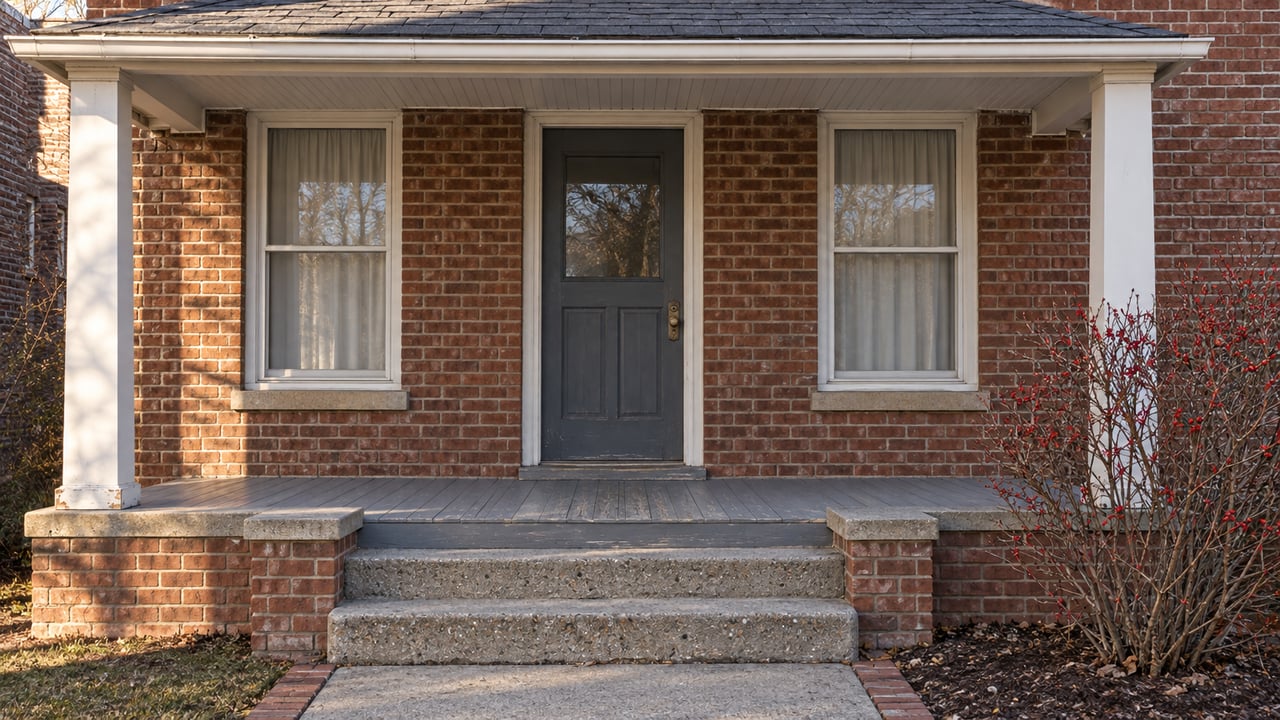
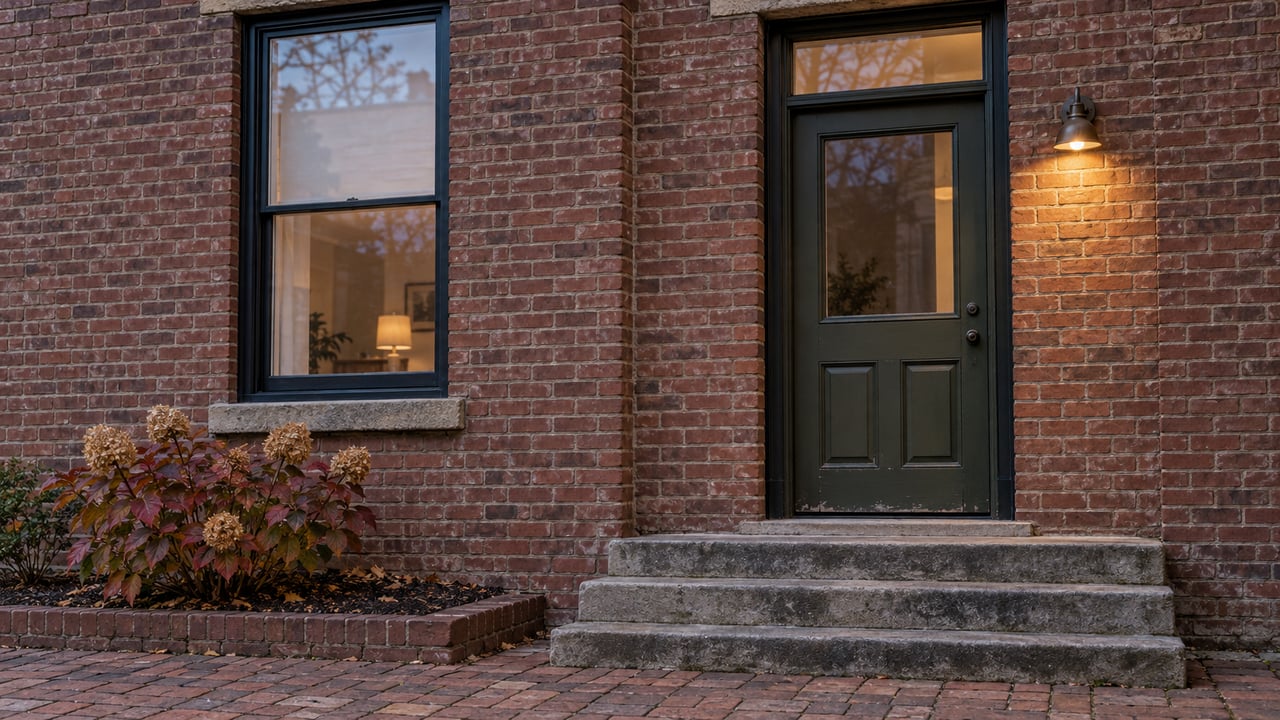
That spread lines up with the housing stock itself. 17401, the downtown core, is where you'll find York's oldest inventory, including rowhomes in neighborhoods like The Avenues that date back to the 1880s, mixing Queen Anne stick-style, Prairie, bungalow, and colonial revival architecture block by block. Census data for that ZIP shows a majority-renter population, which tracks with a downtown core where ownership has historically been less common than in the surrounding rings. A separate ZIP-level analysis from earlier this spring, built on the Zillow Home Value Index, put 17401's typical home value at $143,139, roughly 43 percent below the broader York-area figure it calculated, and noted it's the one ZIP in York where a typical mortgage payment can land below comparable local rent.
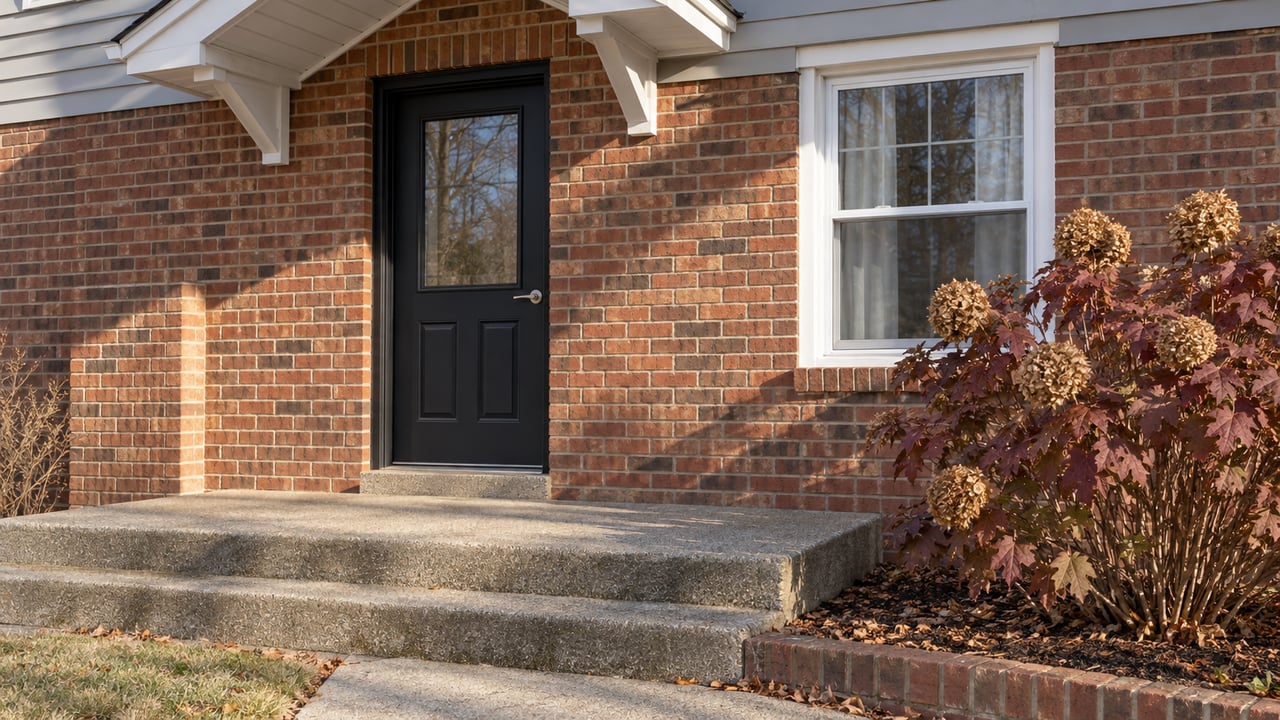
Compare that to 17402 and 17408, on the edges of the York mailing-address area, where active listings this August have included homes asking $699,900 on Angus Lane and $620,000 on Wynwood Road alongside others in the high $200s and low $300s. That's the kind of inventory built for buyers who want a garage, a yard, and a floor plan nobody else has lived in yet. Same city name. Genuinely different products.
The paradox: the cheapest ZIP is where the money is landing
Here's the part that surprises people who assume cheap means neglected. The most affordable ZIP associated with York, 17401, is also where the biggest reinvestment dollars have gone. The Yorktowne Hotel on East Market Street reopened after a $54 million redevelopment as a Tapestry Collection by Hilton property. The York County History Center moved into a new home inside the old Steam Plant after a $30 million redevelopment. Downtown Inc, the organization managing the Business Improvement District, held its 26th annual Downtown First Awards at the Appell Center for the Performing Arts on August 13, 2026, recognizing the businesses driving that momentum.
None of that shows up in a ZIP-level median home value. Institutional and civic money doesn't move the typical home value overnight, and $143,139 is still $143,139 the week after a hotel reopens two blocks away. But it does explain why a downtown that looks affordable on paper isn't the same as a downtown that's standing still. If you're weighing York's urban core against a newer subdivision at the edge of the York mailing-address area, the price gap is real, and so is the fact that one of those areas has tens of millions of fresh capital committed to it in the last two years.
What this means if you're comparing York to somewhere else
If you're cross-shopping York against Hanover, Dallastown, or Manchester, don't compare a York-wide median to a single-ZIP number somewhere else. You'll either overpay for the comparison or talk yourself out of a neighborhood that actually fits your budget. Ask which ZIP, which municipality, and which vintage of housing stock a quoted number is actually describing before you treat it as the going rate.
If your priority is walkability, historic character, and a lower entry price in York's urban core, 17401 and the neighborhoods around it, including The Avenues and parts of Downtown York, deserve a closer look than a citywide average would suggest. If you want new construction with modern systems and more room to spread out, 17402 and 17408 are where that inventory is concentrated, at a real premium over the downtown core.
Frequently Asked Questions
Why did the median list price jump while closed prices stayed flat or fell? Active listings tend to include a heavier mix of larger, newer homes, which pulls the list-price median up even when the homes actually selling, often smaller and older, keep the closed-price median lower. Both numbers can be accurate for the same month.
Is downtown York, 17401, actually a good value right now? Recent closed sales there have run well below the broader York-area numbers, and a spring 2026 ZIP-level analysis found it's the one part of York where a typical mortgage payment can land below local rent. Whether it's a fit depends on what you're looking for in housing stock and lifestyle, not just price.
Should I trust a York-wide median at all? Treat it as a starting point, not an answer. Given how much York mailing-address ZIP codes vary in age of housing stock and construction type, the broader York-area number tells you less than a ZIP-level or even street-level comparison would.
If you're trying to figure out which version of York actually matches your budget and your priorities, that's exactly the kind of conversation worth having before you start touring homes. Nicholas Bostic works this market block by block, not just ZIP by ZIP, and can walk you through what a specific number in a specific neighborhood actually means for your search. Schedule a consultation or get a current home valuation to see where your own numbers land.